HasbunAllaah

Tag: knowledge

[meteor_slideshow slideshow=”knowledgeshow”]

[gn_spacer]

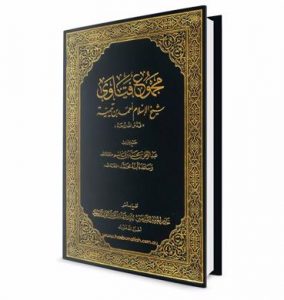
  • Majmoo’ Al Fatawa – Ibn Taymiyyah

    Majmoo’ Al Fatawa – Ibn Taymiyyah

    [gn_spacer size=”10″]

    مَجْمُوع الفَتَاوى لِشَيْخ الإِسلام إبن تَيْمِيَّة

    Majmoo’ Al Fatawa – Ibn Taymiyyah on 37 Volumes

    Author: Sheikh Al-Islam Imam Taqi al-Din Ahmed Ibn Taymiyyah (May Allah have mercy upon him)

    Collection and Arrangement by Abdur Rahman Bin Muhammad Bin Qasim (May Allah have mercy upon him) assisted by his son Muhammad.

    About Al-Majmoo’ Al-Fatawa

    The great Majmoo’ al-Fatawa (Compilation of Fatawa) was collected centuries after Sheikh Al-Islam’s death, and contains several of the works he was known to author. So, it is a comprehensive scientific collection that covers all fields of knowledge, whether that be in the area of ‘Aqeedah, Tawheed, Fiqh, Usul, Hadith, Tafseer, astronomy, logic (Mantaq) and debate, knowledge of various sects and denominations, medicine, the Arabic language, geography, history, spirituality, and much more.

    [gn_spacer size=”5″]

    [ddownload id=”93788″ text=”Download Vol 1″] | Size: [ddownload_size id=”93788″] | Downloaded [ddownload_count id=”93788″] times

    [gn_spacer size=”5″]

    [ddownload id=”93789″ text=”Download Vol 2″] | Size: [ddownload_size id=”93789″] | Downloaded [ddownload_count id=”93789″] times

    [gn_spacer size=”5″]

    [ddownload id=”93790″ text=”Download Vol 3″] | Size: [ddownload_size id=”93790″] | Downloaded [ddownload_count id=”93790″] times

    [gn_spacer size=”5″]

    [ddownload id=”93791″ text=”Download Vol 4″] | Size: [ddownload_size id=”93791″] | Downloaded [ddownload_count id=”93791″] times

    [gn_spacer size=”5″]

    [ddownload id=”93792″ text=”Download Vol 5″] | Size: [ddownload_size id=”93792″] | Downloaded [ddownload_count id=”93792″] times

    [gn_spacer size=”5″]

    [ddownload id=”93794″ text=”Download Vol 6″] | Size: [ddownload_size id=”93794″] | Downloaded [ddownload_count id=”93794″] times

    [gn_spacer size=”5″]

    [ddownload id=”93856″ text=”Download Vol 7″] | Size: [ddownload_size id=”93856″] | Downloaded [ddownload_count id=”93856″] times

    [gn_spacer size=”5″]

    [ddownload id=”93857″ text=”Download Vol 8″] | Size: [ddownload_size id=”93857″] | Downloaded [ddownload_count id=”93857″] times

    [gn_spacer size=”5″]

    [ddownload id=”93858″ text=”Download Vol 9″] | Size: [ddownload_size id=”93858″] | Downloaded [ddownload_count id=”93858″] times

    [gn_spacer size=”5″]

    [ddownload id=”93859″ text=”Download Vol 10″] | Size: [ddownload_size id=”93859″] | Downloaded [ddownload_count id=”93859″] times

    [gn_spacer size=”5″]

    [ddownload id=”93860″ text=”Download Vol 11″] | Size: [ddownload_size id=”93860″] | Downloaded [ddownload_count id=”93860″] times

    [gn_spacer size=”5″]

    [ddownload id=”93861″ text=”Download Vol 12″] | Size: [ddownload_size id=”93861″] | Downloaded [ddownload_count id=”93861″] times

    [gn_spacer size=”5″]

    [ddownload id=”93862″ text=”Download Vol 13″] | Size: [ddownload_size id=”93862″] | Downloaded [ddownload_count id=”93862″] times

    [gn_spacer size=”5″]

    [ddownload id=”93863″ text=”Download Vol 14″] | Size: [ddownload_size id=”93863″] | Downloaded [ddownload_count id=”93863″] times

    [gn_spacer size=”5″]

    [ddownload id=”93864″ text=”Download Vol 15″] | Size: [ddownload_size id=”93864″] | Downloaded [ddownload_count id=”93864″] times

    [gn_spacer size=”5″]

    [ddownload id=”93865″ text=”Download Vol 16″] | Size: [ddownload_size id=”93865″] | Downloaded [ddownload_count id=”93865″] times

    [gn_spacer size=”5″]

    [ddownload id=”93866″ text=”Download Vol 17″] | Size: [ddownload_size id=”93866″] | Downloaded [ddownload_count id=”93866″] times

    [gn_spacer size=”5″]

    [ddownload id=”93868″ text=”Download Vol 18″] | Size: [ddownload_size id=”93868″] | Downloaded [ddownload_count id=”93868″] times

    [gn_spacer size=”5″]

    [ddownload id=”93869″ text=”Download Vol 19″] | Size: [ddownload_size id=”93869″] | Downloaded [ddownload_count id=”93869″] times

    [ddownload id=”93871″ text=”Download Vol 20″] | Size: [ddownload_size id=”93871″] | Downloaded [ddownload_count id=”93871″] times

    [gn_spacer size=”5″]

    [ddownload id=”93872″ text=”Download Vol 21″] | Size: [ddownload_size id=”93872″] | Downloaded [ddownload_count id=”93872″] times

    [gn_spacer size=”5″]

    [ddownload id=”93873″ text=”Download Vol 22″] | Size: [ddownload_size id=”93873″] | Downloaded [ddownload_count id=”93873″] times

    [gn_spacer size=”5″]

    [ddownload id=”93874″ text=”Download Vol 23″] | Size: [ddownload_size id=”93874″] | Downloaded [ddownload_count id=”93874″] times

    [gn_spacer size=”5″]

    [ddownload id=”93875″ text=”Download Vol 24″] | Size: [ddownload_size id=”93875″] | Downloaded [ddownload_count id=”93875″] times

    [gn_spacer size=”5″]

    [ddownload id=”93877″ text=”Download Vol 25″] | Size: [ddownload_size id=”93877″] | Downloaded [ddownload_count id=”93877″] times

    [gn_spacer size=”5″]

    [ddownload id=”93878″ text=”Download Vol 26″] | Size: [ddownload_size id=”93878″] | Downloaded [ddownload_count id=”93878″] times

    [gn_spacer size=”5″]

    [ddownload id=”93879″ text=”Download Vol 27″] | Size: [ddownload_size id=”93879″] | Downloaded [ddownload_count id=”93879″] times

    [gn_spacer size=”5″]

    [ddownload id=”93941″ text=”Download Vol 28″] | Size: [ddownload_size id=”93941″] | Downloaded [ddownload_count id=”93941″] times

    [gn_spacer size=”5″]

    [ddownload id=”93942″ text=”Download Vol 29″] | Size: [ddownload_size id=”93942″] | Downloaded [ddownload_count id=”93942″] times

    [gn_spacer size=”5″]

    [ddownload id=”93943″ text=”Download Vol 30″] | Size: [ddownload_size id=”93943″] | Downloaded [ddownload_count id=”93943″] times

    [gn_spacer size=”5″]

    [ddownload id=”93944″ text=”Download Vol 31″] | Size: [ddownload_size id=”93944″] | Downloaded [ddownload_count id=”93944″] times

    [gn_spacer size=”5″]

    [ddownload id=”93945″ text=”Download Vol 32″] | Size: [ddownload_size id=”93945″] | Downloaded [ddownload_count id=”93945″] times

    [gn_spacer size=”5″]

    [ddownload id=”93946″ text=”Download Vol 33″] | Size: [ddownload_size id=”93946″] | Downloaded [ddownload_count id=”93946″] times

    [gn_spacer size=”5″]

    [ddownload id=”93947″ text=”Download Vol 34″] | Size: [ddownload_size id=”93947″] | Downloaded [ddownload_count id=”93947″] times

    [gn_spacer size=”5″]

    [ddownload id=”93948″ text=”Download Vol 35″] | Size: [ddownload_size id=”93948″] | Downloaded [ddownload_count id=”93948″] times

    [gn_spacer size=”5″]

    [ddownload id=”93949″ text=”Download Vol 36″] | Size: [ddownload_size id=”93949″] | Downloaded [ddownload_count id=”93949″] times

    [gn_spacer size=”5″]

    [ddownload id=”93951″ text=”Download Vol 37″] | Size: [ddownload_size id=”93951″] | Downloaded [ddownload_count id=”93951″] times

    [gn_spacer size=”10″]

    About Sheikh Al-Islam Ibn Taymiyyah

    He is al ‘Allamah Ahmad ibn ‘Abdul-Halim ibn ‘Abdis-Salam. His kunyah is Abu’l-‘Abbas and he is also referred to as Taqi ad-Din. He was born in Harran, an old city within the Arabian Peninsula between Sham and Iraq, on the tenth or the twelfth of the month Rabi’ al-Awwal in the year 661H. He later fled at a young age with his family to Damascus because of the terrible conditions of his homeland and those surrounding it as a result of the occupation by the Tartars.

    Ibn Taymiyyah was brought up, cared for and nurtured by his father. He obtained knowledge from him and the other shayukh of his era. He did not confine himself to the knowledge of those around him but also directed his attention to the works of the scholars before his time by way of perusal and memorisation. He took his knowledge from a great number of scholars and he himself mentioned a number of them as related by Adh-Dhahabi directly from him. This particular chronicle of shayukh includes forty male scholars and four female scholars. The total number of scholars whom he took knowledge from exceeds two hundred.

    The Praise of the Scholars for Ibn Taymiyyah:

    Al-Hafidh Adh-Dhahabi said:

    [gn_quote]He is far greater than the likes of me to inform on his qualities. If I were made to swear (by Allah) by the corner (of the Ka’bah) and the place (of Ibrahim), I would swear that I have not seen with my two eyes the like of him and by Allah, he himself has not seen his own like in knowledge.[/gn_quote]

    Al-Hafidh Al-Mizzi said:

    [gn_quote]I have not seen the like of him and nor have seen the like of himself. I have not seen one more knowledgeable of the Book of Allah and the Sunnah of His Messenger and more compliant to it than him.[/gn_quote]

    Al-Imam Ibn Daqiq al-‘Eid said:

    [gn_quote]When I met Ibn Taymiyyah, I saw a person who had all the types of knowledge between his eyes: he would take of it what he desired and leave of it what he desired.[/gn_quote]

    Al-Hafidh Ibn Hajar al-‘Asqalani:

    [gn_quote]The acclaim of Taqi ad-Din is more renown than that of the Sun and titling him Shaykh ul-Islam of his era remains until our time upon the virtuous tongues. It will continue tomorrow just as it was yesterday. No one refutes this but a person who is ignorant of his prestige or one who turns away from equity.[/gn_quote]

    He had many students and those that were affected by him are countless, some of his students were:

    [gn_list icon=”icon: institution” icon_color=”#bf4842″]

    • Adh-Dhahabi
    • Muhammad ibn Ahmad, (d. 748H)
    • Al-Mizzi
    • Yusuf ibn ‘Abdur-Rahman, (d. 742H)
    • Ibn Kathir
    • Isma’il ibn ‘Umar, (d. 774)
    • Ibn ‘Abdil-Hadi
    • Muhammad ibn Ahmad, (d. 744H),

    [/gn_list]

    and many others.

     Some of his works are:

    [gn_list icon=”icon: book” icon_color=”#bf4842″]

    • Minhaj as-Sunnah an-Nabawiyyah
    • Dar Ta’arud al-‘Aql wa’n-Naql, Al-Istiqamah
    • Iqtida’ as-Sirat al-Mustaqim li Mukhalafah Ashab al-Jahim
    • Naqd Maratib al-Ijma’
    • As-Sarim al-Maslul ‘ala Shatim ar-Rasul
    • Al-Jawab as-Sahih li man baddala Din al-Masih
    • Ar-Rad ‘ala al-Mantiqiyyin
    • Ar-Rad ‘ala al-‘Akhnan’i
    • Naqd at-Ta’sis
    • An-Nubuwat

    [/gn_list]

    [gn_divider]

  • Universal Principles of Arabic [Updated]

    Universal Principles of Arabic [Updated]

    An Ongoing Series – Universal Principles of Arabic

    Speaker: Ustadh Muhammad Al-Bizry

    Did you know that almost every word in the Arabic language comes from a small 3 letter root?

    Universal Principles, taught by Ustaadh Muhammad Al-Bizry, is a practical and engaging approach to learning some of the main concepts of the Arabic language.

    It focuses on leaving the student with key principles which they can immediately apply and benefit from and continue to do so for years to come.

    Taught using examples from the Quraan, hadeeth and common Arabic words, this series is a must for those who wish to take their Arabic to the next level or for those who simply have a love for the language.

    Some of the key concepts covered:

    [gn_list icon=”icon: book” icon_color=”#bf4842″]

    • Big words come from small words
    • When words share letters they share meanings
    • An increase in a word’s letters results in an increase in its meaning
    • The differences between nouns and verbs and their purposes
    • How to identify nouns and verbs
    • The various degrees and levels of words
    • Origin/source words and their purposes
    • How to express exaggeration and excessiveness

    [/gn_list]
    [gn_spacer size=”10″]


    [gn_note note_color=”#bf4842″ text_color=”#f4f4f4″]LESSON # 1 : The Meaning of Al-Arabiyyah[/gn_note]

    [gn_spacer size=”5″]

    Wk 1 – The Meaning of Al-Arabiyyah

    [gn_spacer size=”5″]

    [ddownload id=”66172″ text=”Download Lesson 1″] Size: [ddownload_size id=”66172″] | Downloaded [ddownload_count id=”66172″] times

    [gn_spacer size=”10″]

    [gn_note note_color=”#bf4842″ text_color=”#f4f4f4″]LESSON # 2 : Big Words Come From Small Words[/gn_note]

    [gn_spacer size=”5″]

    Wk 2 – Big words from small words

    [gn_spacer size=”5″]

    [ddownload id=”66178″ text=”Download Lesson 2″] Size: [ddownload_size id=”66178″] | Downloaded [ddownload_count id=”66178″] times

    [gn_spacer size=”10″]

    [gn_note note_color=”#bf4842″ text_color=”#f4f4f4″]LESSON # 3 : The Properties & Purpose of Names & Nouns[/gn_note]

    [gn_spacer size=”5″]

    Wk 3 – Objective of Nouns 

    [gn_spacer size=”5″]

    [ddownload id=”66196″ text=”Download Lesson 3″] Size: [ddownload_size id=”66196″] | Downloaded [ddownload_count id=”66196″] times

    [gn_spacer size=”10″]

    [gn_note note_color=”#bf4842″ text_color=”#f4f4f4″]LESSON # 4 : Examples of the Ism (Names & Nouns)[/gn_note]

    [gn_spacer size=”5″]

    Wk 4 – Examples of Nouns

    [gn_spacer size=”5″]

    [ddownload id=”66199″ text=”Download Lesson 4″] Size: [ddownload_size id=”66199″] | Downloaded [ddownload_count id=”66199″] times

    [gn_divider]

  • Worldly Difficulties – Reality, Causes and Benefits

    Worldly Difficulties – Reality, Causes and Benefits

    [captionpix imgsrc=”http://hasbunallaah.com/wp-content/uploads/worldlydifficulties_book344.jpg” theme=”chain” width=”250″ align=”center”]

    Compiled by: Shawana A. Aziz

    About the Book / Author Words:

    Worldly difficulties are an inevitable part of life; they range from simple problems to fatal diseases and loss of loved ones. This booklet helps the reader see his arduous affairs in their appropriate perspectives by encouraging complete trust in Allah’s Decisions, and by defining the great principle of al-Qadha wal-Qadar (Predestination) that, ‘Whatever happened to you, could not have missed you.’

    This booklet reminds the reader that worldly difficulties are a trial for the believers, while not disregarding the fact that more often afflictions result from one’s sins and disobedience to Allah.

    This booklet also teaches how appropriate behavior and correct attitude can change an adversity into a worthwhile opportunity to achieve Allah’s Pleasure through Sabr, Shukr, Ihtisaab and Istirja, whereas impatience, panic and complaining can worsen one’s state of affairs.

    Finally, this booklet explains the futility of invoking the Prophets and the dead to remove hardships, and encourages calling upon Allah Alone to ease one’s affairs.

    I hope that this booklet will bring solace and comfort to people as they struggle to manage the difficulties of life. I ask Allah to accept this humble effort and all success is from Allah

    [gn_spacer size=”10″]

    [ddownload id=”65805″ text=”Download Book”] Size: [ddownload_size id=”65805″] | Downloaded [ddownload_count id=”65805″] times

    [gn_divider]

  • Sharah Tahzib Madarij Al-Salikeen | Audio Lessons

    Sharah Tahzib Madarij Al-Salikeen | Audio Lessons

    [gn_spacer size=”10″]

    [captionpix imgsrc=”http://hasbunallaah.com/wp-content/uploads/tahzeebMadarijAl-Silikeen400.jpg” theme=”chain” width=”439″ align=”center”]

    Sharah Tahzib Madarij Al-Salikeen

    Speaker: Sheikh Dr. Abdul Azeem Badawi

    Dr. ‘Abdul-Azeem Badawi is a well-known imam, preacher, writer and Islamic lecturer in topics such as tafseer (Qur’an commentary), Hadith and fiqh (Islamic jurisprudence). He was born in Egypt in 1373 H/ 1954 CE, and studied at al-Azhar University in Cairo until he completed his doctorate. He has lived and worked in Egypt except for 11 years that he spent as an imam in Jordan, where he had a close relationship with Shaykh Muhammad Nasir ad-Deen al-Albani.

    [gn_spacer size=”10″]


    عنوان: شرح كتاب تهذيب مدارج السالكين
    الشيخ الدكتور عبدالعظيم بدوي

    [gn_spacer size=”10″]
    [gn_heading]SHARAH MADARIJ AL-SALIKEEN | AUDIO LESSONS[/gn_heading]

    02

    [ddownload id=”65734″ text=”Download”] Size: [ddownload_filesize id=”65734″] | Downloaded [ddownload_count id=”65734″] times


    [gn_spacer size=”10″]

    03

    [ddownload id=”65735″ text=”Download”] Size: [ddownload_filesize id=”65735″] | Downloaded [ddownload_count id=”65735″] times


    [gn_spacer size=”10″]

    04

    [ddownload id=”65736″ text=”Download”] Size: [ddownload_filesize id=”65736″] | Downloaded [ddownload_count id=”65736″] times


    [gn_spacer size=”10″]

    05

    [ddownload id=”65737″ text=”Download”] Size: [ddownload_filesize id=”65737″] | Downloaded [ddownload_count id=”65737″] times


    [gn_spacer size=”10″]

     06

    [ddownload id=”65738″ text=”Download”] Size: [ddownload_filesize id=”65738″] | Downloaded [ddownload_count id=”65738″] times


    [gn_spacer size=”10″]

    07

    [ddownload id=”65739″ text=”Download”] Size: [ddownload_filesize id=”65739″] | Downloaded [ddownload_count id=”65739″] times


    [gn_spacer size=”10″]

    09

    [ddownload id=”65740″ text=”Download”] Size: [ddownload_filesize id=”65740″] | Downloaded [ddownload_count id=”65740″] times


    [gn_spacer size=”10″]

    10

    [ddownload id=”65741″ text=”Download”] Size: [ddownload_filesize id=”65741″] | Downloaded [ddownload_count id=”65741″] times


    [gn_spacer size=”10″]

    11

    [ddownload id=”65742″ text=”Download”] Size: [ddownload_filesize id=”65742″] | Downloaded [ddownload_count id=”65742″] times


    [gn_spacer size=”10″]

    12

    [ddownload id=”65743″ text=”Download”] Size: [ddownload_filesize id=”65743″] | Downloaded [ddownload_count id=”65743″] times


    [gn_spacer size=”10″]

    باب الإنابة 1

    [ddownload id=”65744″ text=”Download”] Size: [ddownload_filesize id=”65744″] | Downloaded [ddownload_count id=”65744″] times


    [gn_spacer size=”10″]

    2 باب الإنابة

    [ddownload id=”65745″ text=”Download”] Size: [ddownload_filesize id=”65745″] | Downloaded [ddownload_count id=”65745″] times


    [gn_spacer size=”10″]

    باب الإنابة 3

    [ddownload id=”65746″ text=”Download”] Size: [ddownload_filesize id=”65746″] | Downloaded [ddownload_count id=”65746″] times


    [gn_spacer size=”10″]

    باب الإنابة 4

    [ddownload id=”65747″ text=”Download”] Size: [ddownload_filesize id=”65747″] | Downloaded [ddownload_count id=”65747″] times


    [gn_spacer size=”10″]

    منزلة التذكر_1

    [ddownload id=”65748″ text=”Download”] Size: [ddownload_filesize id=”65748″] | Downloaded [ddownload_count id=”65748″] times


    [gn_spacer size=”10″]

    منزلة التذكر_2

    [ddownload id=”65749″ text=”Download”] Size: [ddownload_filesize id=”65749″] | Downloaded [ddownload_count id=”65749″] times


    [gn_spacer size=”10″]

    منزلة التذكر_3

    [ddownload id=”65750″ text=”Download”] Size: [ddownload_filesize id=”65750″] | Downloaded [ddownload_count id=”65750″] times


    [gn_spacer size=”10″]

    منزلة التذكر_4

    [ddownload id=”65751″ text=”Download”] Size: [ddownload_filesize id=”65751″] | Downloaded [ddownload_count id=”65751″] times


    [gn_spacer size=”10″]

    منزلة التذكر_5

    [ddownload id=”65752″ text=”Download”] Size: [ddownload_filesize id=”65752″] | Downloaded [ddownload_count id=”65752″] times


    [gn_spacer size=”10″]

    منزلة التذكر_6

    [ddownload id=”65753″ text=”Download”] Size: [ddownload_filesize id=”65753″] | Downloaded [ddownload_count id=”65753″] times


    [gn_spacer size=”10″]

    منزلة الاعتصام

    [ddownload id=”65754″ text=”Download”] Size: [ddownload_filesize id=”65754″] | Downloaded [ddownload_count id=”65754″] times


    [gn_spacer size=”10″]

    منزلة الفرار

    [ddownload id=”65755″ text=”Download”] Size: [ddownload_filesize id=”65755″] | Downloaded [ddownload_count id=”65755″] times


    [gn_spacer size=”10″]

    منزلة السماع

    [ddownload id=”65756″ text=”Download”] Size: [ddownload_filesize id=”65756″] | Downloaded [ddownload_count id=”65756″] times


    [gn_spacer size=”10″]

    منزلة الخوف من الله

    [ddownload id=”65757″ text=”Download”] Size: [ddownload_filesize id=”65757″] | Downloaded [ddownload_count id=”65757″] times


    [gn_spacer size=”10″]

    منزلة الإشفاق

    [ddownload id=”65758″ text=”Download”] Size: [ddownload_filesize id=”65758″] | Downloaded [ddownload_count id=”65758″] times


    [gn_spacer size=”10″]

    منزلة الخشوع

    [ddownload id=”65759″ text=”Download”] Size: [ddownload_filesize id=”65759″] | Downloaded [ddownload_count id=”65759″] times


    [gn_spacer size=”10″]

    منزلة الإخبات

    [ddownload id=”65760″ text=”Download”] Size: [ddownload_filesize id=”65760″] | Downloaded [ddownload_count id=”65760″] times


    [gn_spacer size=”10″]

    منزلة الزهد 1

    [ddownload id=”65761″ text=”Download”] Size: [ddownload_filesize id=”65761″] | Downloaded [ddownload_count id=”65761″] times


    [gn_spacer size=”10″]

    منزلة الزهد 2

    [ddownload id=”65762″ text=”Download”] Size: [ddownload_filesize id=”65762″] | Downloaded [ddownload_count id=”65762″] times


    [gn_spacer size=”10″]

    منزلة الورع 1

    [ddownload id=”65763″ text=”Download”] Size: [ddownload_filesize id=”65763″] | Downloaded [ddownload_count id=”65763″] times


    [gn_spacer size=”10″]

    منزلة الورع 2

    [ddownload id=”65774″ text=”Download”] Size: [ddownload_filesize id=”65774″] | Downloaded [ddownload_count id=”65774″] times


    [gn_spacer size=”10″]

    منزلة الرجاء 1

    [ddownload id=”65764″ text=”Download”] Size: [ddownload_filesize id=”65764″] | Downloaded [ddownload_count id=”65764″] times


    [gn_spacer size=”10″]

    منزلة الرجاء 2

    [ddownload id=”65765″ text=”Download”] Size: [ddownload_filesize id=”65765″] | Downloaded [ddownload_count id=”65765″] times


    [gn_spacer size=”10″]

    3 منزلة الرجاء

    [ddownload id=”65766″ text=”Download”] Size: [ddownload_filesize id=”65766″] | Downloaded [ddownload_count id=”65766″] times


    [gn_spacer size=”10″]

    منزلة الرغبة

    [ddownload id=”65767″ text=”Download”] Size: [ddownload_filesize id=”65767″] | Downloaded [ddownload_count id=”65767″] times


    [gn_spacer size=”10″]

    منزلة المراقبة

    [ddownload id=”65768″ text=”Download”] Size: [ddownload_filesize id=”65768″] | Downloaded [ddownload_count id=”65768″] times


    [gn_spacer size=”10″]

    منزلة تعظيم الحرمات

    [ddownload id=”65769″ text=”Download”] Size: [ddownload_filesize id=”65769″] | Downloaded [ddownload_count id=”65769″] times


    [gn_spacer size=”10″]

    منزلة الإخلاص 1

    [ddownload id=”65770″ text=”Download”] Size: [ddownload_filesize id=”65770″] | Downloaded [ddownload_count id=”65770″] times


    [gn_spacer size=”10″]

    منزلة الإخلاص 2

    [ddownload id=”65771″ text=”Download”] Size: [ddownload_filesize id=”65771″] | Downloaded [ddownload_count id=”65771″] times


    [gn_spacer size=”10″]

    منزلة الإخلاص 3

    [ddownload id=”65772″ text=”Download”] Size: [ddownload_filesize id=”65772″] | Downloaded [ddownload_count id=”65772″] times

    [gn_divider]

  • Zaad al-Ma’ad | Provisions for the Hereafter

    Zaad al-Ma’ad | Provisions for the Hereafter

    [gn_spacer size=”15″]

    [captionpix imgsrc=”http://www.hasbunallaah.com/wp-content/uploads/zaadalmaad-provision344.jpg” theme=”chain” width=”250″ align=”center”]

    Provisions for the Hereafter – Mukhtasar Zad Al-Maad (Zaad Al-Ma’ad) by Ibn Al-Qayyim Al-Jawziyyah

    Summarized by: Imam Muhammad Ibn ‘Abdul Wahhab At-Tamimi

    About the Book:

    [dropcap]A[/dropcap]llah has sent the Messenger (Sallallahu Alehe Wassalam) with guidance and the Religion of Truth. Strict adherence to the guidance of His Prophet is required from the followers of Islam. The scholars of the Islamic community have attached great importance to it and produced texts regarding the Acts of Worship, Dealings and Habits in the light of the Divine guidance.

    This book is one of the most famous works written on this subject.

    This book is one of the important resources of knowledge for those who seek to know the Seerah of their Prophet (Sallallahu Alehe Wassalam) as well as, the Fiqh learned from it. This is a book that is unique in that it explains the Sunnah through the Seerah and the Seerah through the Sunnah.

    It is a profound classic work containing thousands of pages written by Imam ibn al-Qayyim while on the hajj journey, Pilgrimage, from Damascus to Makkah. Despite its being written from memory, the several thousand incidents, hadiths, ayah, fiqh benefits, as well as, names of the companions associated with them, were remarkably close to the truth, with marginal errors.

    However, those who know the status, level of knowledge and Ta’hqiq that Imam ibn al -Qayyim had, will not be surprised to know the fact. Still, it is amazing how ibn al-Qayyim was able to write this volume while traveling to Hajj, especially since he was away from the resources of knowledge and enduring the hardships of travel. It is a blessing from Allah (swt) that is was possible for him to do so.

    [gn_spacer size=”10″]

    [ddownload id=”65020″ text=”Download Book”] | Size: [ddownload_size id=”65020″] | Downloaded [ddownload_count id=”65020″] times

    [gn_divider]

  • Adorning Knowledge With Actions

    Adorning Knowledge With Actions

    [gn_spacer size=”20″]

    [captionpix imgsrc=”http://www.hasbunallaah.com/wp-content/uploads/knowledgeandactions250.jpg” theme=”brushed” width=”600″ align=”center”]

    By Shaykh Husayn al-Awaa’ishah

    The Article discusses the following points:

    [gn_list icon=”icon: university” icon_color=”#bf4842″]

    • Verses of the Qur’an Regarding the Rewards of Actions.
    • What Now?
    • Some Texts Regarding the Removing of Hindrances.
    • Obligatory Actions Before the Supererogatory and Recommended Actions.
    • Who Should I Give Priority to In Inviting First?
    • From A Man’s Perfecting His Religion is Leaving Alone That Which Does Not Concern Him.
    • What is the Effect of Giving Advice and Admonition.
    • Contemplating the Texts is the First Action.
    • Invocation: The Fruit of Action.
    • The Prophet (sallallahu ‘Alehe Wassalam) Seeking Refuge From Knowledge That Does Not Benefit.
    • The Punishment for Not Acting Upon One’s Knowledge.
    • Trials Take Place When Knowledge Is Sought for Other Than Actions.
    • The Indications of Beneficial Knowledge.
    • A Call to Scholars and Students of Knowledge.
    • A Call to the Du’aat and the Imaams of the Masajid.
    • A Call to Authors and Book Publishers.
    • A Call to Businessmen.
    • Words of Wisdom from the Book Iqtidaa’ ul-‘Ilm il-‘Amal.

    [/gn_list]

    Author’s Introduction:

    [dropcap]A[/dropcap]ll praise is for Allah. We praise Him, seek His help and forgiveness. We seek refuge in Allah from the evils of ourselves and the evils of our actions. I bear witness that none has the right to be worshipped except Allah and I bear witness that Muhammad sallallaahu ‘alayhi wa sallam is His slave and Messenger.

    [gn_quote]

    O you who believe! Fear Allah as He should be feared and die not except in a state of Islam with complete submission to Allah.

    (3:102)[/gn_quote]

    [gn_quote]

    O Mankind! Be dutiful to your Lord, Who created you from a single person and from him He created many men and women and fear Allah through whom you demand your mutual rights and the wombs of kinship. Surely Allah is Ever an All Watcher over you.

    (4:1)

    [/gn_quote]

    [gn_quote]

    O you who believe! Keep your duty to Allah and fear Him, and always speak the truth, He will direct you to do righteous deeds and will forgive you your sins, and whoever obeys Allah and His Messenger has indeed achieved a great achievement.

    (33:70-1) [/gn_quote]

    Verily the most truthful speech is the Book of Allah and the best of guidance is the guidance of Muhammad (Sallallaahu ‘alayhi wa sallam). The most evil of matters are those which are newly invented, every novelty is an innovation and every innovation is in the Fire. To proceed:

    Following up this series, I felt I should hasten in bringing forward the hadith:

    [gn_quote]

    The two feet of the son of Aadam will not move from near his Lord on the Day of Judgement until he is asked about five (matters):- 1) about his life – how he spent it; 2) about his youth – how he took care of it; 3) about his wealth – how he earned it; 4) and where he spent it; 5) and about that which he acted upon from the knowledge that he acquired.

    [/gn_quote]

    As an aid towards purification of the soul and preparation for death. The advice being firstly to myself, secondly to the du’aat (inviters to Allah’s path) and thirdly to all my Muslim brothers and sisters in every part of the world – hoping that Allah subhanahu wa ta’ala will cause benefit through that which I have written and allow the fruits of that to be reaped, both now and in the future. In this treatise I restricted myself to one part of the hadith and that is “..and about that which he acted upon from the knowledge that he acquired”.

    The hadith that I chose is the key to goodness and the way towards paradise – by the permission of Allah subhanahu wa ta’ala. It is the cause of salvation and gain:

    [gn_quote]

    The day whereon neither wealth nor sons will avail, except him who brings to Allah a clean heart.

    (26:88-9)[/gn_quote]

    Indeed it is quite possible that many people erred and strayed off the path due to ignorance or pretending to be ignorant of the correct order in prioritising knowledge, acting and calling to Allah. So this topic, by the will of Allah Subhanahu wa ta’ala is in order to prevent myself and my brothers and sisters from ruin, misguidance and confusion.

    I ask Allah Subhanahu wa ta’ala to grant me the ability to act upon it, and to make it sincere and acceptable to Him, to eliminate darkness, illuminate the way and cause the Ummah to benefit from it. He indeed is the All Hearer of invocation.

    Verses of the Qur’an Regarding the Rewards of Actions

    Allah subhanahu wa ta’ala says in the Qur’an:

    [gn_quote]

    Eat and drink with happiness because of what you used to.” (52:19)
    “And it will be cried out to them: This is the Paradise you have inherited for what you used to do!

    (7:43)[/gn_quote]

    [gn_quote]

    Thus Allah rewards the pious, those whose lives the Angels take while they are in a pious state saying: “Peace be upon you, enter you Paradise because of that which you used to do.”

    (16:32)[/gn_quote]

    [gn_quote]

    (It will be said in the Hereafter): “O you disbelievers! Make no excuses this Day! You are being requited only for what you used to do.”

    (66:7) [/gn_quote]

    [gn_quote]

    And whoever brings an evil deed they will be cast down on their faces in the Fire (and it will be said to them): “Are you being recompensed for anything except for what you used to do? “

    (27:90)

    [/gn_quote]

    [gn_quote]

    On the Day when the torment shall cover them from above them and from underneath their feet and it will be said: “Taste what you used to do.”

    (29:55) [/gn_quote]

    [gn_quote]

    This day none will be wronged in anything nor will you be requited in anything except that which you used to do.

    (36:54) [/gn_quote]

    Allah subhanahu wa ta’ala makes clear the destination of all created beings. Their different ascending and descending ranks will only be in accordance with their actions. Thus man will either be in a state of happiness or misery as a result of his righteous or evil deeds.

    On the authority of Ibn Mas’ud radiallaahu ‘anhu who said that the Messenger of Allah (Sallallaahu ‘alayhi wa sallam) said:

    [gn_quote]

    The two feet of the son of Adam will not move from near his Lord on the day of Judgement until he is asked about five (matters) about his life – how he spent it; about his youth – how he took care of it; about his wealth – how he earned it; and where he spent it and about that which he acted upon from the knowledge he acquired.

    (at Tirmidhi, and others, see Saheeh Sunan at-Tirmidhi, no. 1969, and as Silsilah as Saheehah no.946). [/gn_quote]

    So there is no escaping for the servant from being questioned about certain things: About his life – how he spent it; was it in righteousness and piety or in sin and transgression? About his youth – how he spent it, was it in acts of obedience or acts of sin? About his wealth – how he acquired it, was it from that which is halaal or from that which is haraam?

    These things, very sadly, are seldom asked about, nor is any weight given to them. Rather, the greatest concern is to gather wealth, whether it is halaal, haraam or doubtful. Just as soon as a person looking for work hears of a position in a usurious bank, he hurries to take it, or of that in a cigarette factory, he strives to obtain it. He rushes without hesitance for any type of work which brings in money; and as for the legal verdicts allowing that, one could go on mentioning them!

    I would like to take this opportunity to remind with this hadeeth, every person that took a wage for work that he did or for a post that he was commissioned to, that his feet won’t move on the Day of Resurrection until he is asked about his wealth and how he earned it.

    You will see the most surprising things in official agencies and establishments around the world. Maybe you will see that tea, coffee and newspapers are the main aspects of work so that a worker will delay visitors without any consideration or concern. He dislikes the sight of them because they trouble his comfort and cause him disturbance. He searches for procedures that cause complexity and means of obstruction, so that he may say to a visitor: “We’re short of such and such a thing, come back tomorrow”.

    They announce that all dealings stop one hour or more before the end of their work time. Maybe some of them wake up late by two hours or more for work, because of which people get set back from their jobs. Perhaps some workers fail to execute transactions willingly, or they stall them in order to receive bribes. So we should all fear Allah as regards to our work and duties – starting work on time and leaving at the right time, dealing with people with politeness and ease, being patient upon hardships of work, seeking by that the reward from Allah Subhanahu wa ta’ala.

    Then, you are answerable, O servant of Allah, about the way you spent your wealth – in obedience or sinfulness and about the knowledge that you possess and how much of it you acted upon. So this being the case, it is essential that knowledge is converted into actions and (correct) conduct.

    Maybe a question springs to mind here: Would the absence of seeking knowledge be a cause for salvation, as little knowledge requires little action? To this, I say:

    * FIRSTLY: Verily Islam elevated the people of knowledge over others. The texts pertaining to this are numerous, among them are the Sayings of Allah subhanahu wa ta’ala:

    [gn_quote]

    Say, are they alike those who have knowledge and those who don’t have knowledge?

    (39:9)[/gn_quote]

    [gn_quote]

    Allah will exalt in degree those of you who believe and those who have been granted knowledge.

    (58:11) [/gn_quote]

    Also the Messenger of Allah sallallaahu ‘alayhi wa sallam said:

    [gn_quote]

    Whoever treads a path seeking knowledge, Allah will make easy for him the path to Paradise.

    (part of a sahih hadith reported by Ibn Majah and others, fulfilling the conditions of Imam al Bukhari and Imam Muslim) [/gn_quote]

    * SECONDLY: Deliberately intending not to seek knowledge is haram and everyone is accountable for seeking knowledge according to his capacity and capability.

    * THIRDLY: There are some Islamic fields of knowledge which the learning and teaching of are obligatory upon every individual and some which are obligatory upon certain individuals only, so this should be taken into consideration, and every person is accountable according to his ability.

    * FOURTHLY: A person may fall into a violation of the Shari’ah (Islamic Law) whilst he is seeking knowledge, due to his lack of knowledge of a particular ruling, in this case it is hope that Allah would forgive him. As for deliberately intending to remain ignorant, this contradicts the saying of the Most High:

    [gn_quote]

    So ask the people of knowledge if you know not.

    (16:43) [/gn_quote]

    When a group of the Companions passed a ruling, without knowledge, to the wounded man that he should have a full bath – which eventually lead to his death, the Messenger of Allah (Sallallaahu ‘alayhi wa sallam) supplicated against them saying:

    [gn_quote]

    They killed him, may Allah kill them, should they not have asked if they didnt know?! Verily the cure of all ignorance is to question! It would have been enough for him had he performed tayammum.”

    [The author is pointing here to the hadith of Jabir radiallaahu ‘anhu who said:

    We set out for a journey and along the way a man from amongst us injured himself on a rock and split his head, after which he had a wet dream and required a bath so he asked his companions, “Do you find any concession for me in that I make tayammum? They replied, “We do not find any concession for you as you are able to use water.” So he bathed and died as a result. This was mentioned to the Messenger sallallaahu ‘alayhi wa sallam. He sallallaahu ‘alayhi wa sallam then replied as is mentioned above.

    (Sunan Abu Dawud, vol. 1 p.59, hadith no.336)] [/gn_quote]

    Removing the Hindrances:

    Due to the fact that there are things that are a hindrance to knowledge and actions, they must be studied in order to be removed; and one should begin by assiduously examining one’s livelihood.

    One should not forget one’s goal in this worldly life, and that is to single out Allah subhanahu wa ta’ala in worship and uniqueness and fulfilling that which pleases Him for man was not created for any reason other than to worship Allah subhanahu wa ta’ala [Worship (al Ibaadah) is a comprehensive word, encompassing everything that Allah loves and is pleased with, whether it be of speech or of actions – inward or outward. An example of speech is reciting the Qur’an, engaging in the remembrance of allah, ordering good and forbidding evil and rectifying differences. Examples of internal actions are hope, fear, turning to Allah in repentance, love and reliance. Outward actions are such as prayer, zakah, pilgrimage, giving charity, joining ties of relationship and visiting one another. All of these things must be directed by the servant to Allah alone. In the book al ‘Uboodiyah by Shaykh ul Islam Ibn Taymiyyah (which will, insh’Allah be serialised on this list soon also) is elaborate detail of that.]. Allah subhanahu wa ta’ala said:

    [gn_quote]

    I did not create the jinns and men except they should worship Me (Alone).

    (51:56)[/gn_quote]

    So it is befitting that the Muslim looks into his own and his family’s necessities as regards to wealth, and work accordingly, [I say this not forgetting that the Muslim is rewarded for working and for the difficulties and hardships which he faces due to that – as long as his work in itself is not haram or doubtful – but he should use it as a means to fulfill a goal, which is the worship of Allah subhanahu wa ta’ala.], because spending hours working for the sake of acquiring extra wealth will only be at the cost of knowledge or actions or inviting to Allah subhanahu wa ta’ala. So beware of this matter, then do as you please.

    Also, it is not befitting, that a Muslim lolls out his tongue after extra work, while he is lacking knowledge in many aspects of his religion such as creed, fiqh, points regarding Islamic manners and other important pillars and compulsory actions. Yet it is astonishing to find such people justifying their actions to those that censure them, with the general texts encouraging righteous actions, saying: “Islam is a religion of action”.

    Yet I don’t know what the consequence of this action is. Does it benefit by purifying and cleansing the soul? Or bring about some goodness for the Muslim Ummah? So, I say in replying to this:

    Having sexual relations with one’s wife, with the intention of keeping chaste and pure, is considered worship [The proof for this is in the hadith of Abu Dharr wherein the Prophet sallallaahu ‘alayhi wa sallam said,

    [gn_quote]

    “…and enjoining the good is charity, forbidding the evil is charity and in a man’s sexual intercourse (with his wife) is charity.” They (the companions) asked, “O Messenger of Allah! Is there reward for him who fulfils his sexual desires amongst us?” He (sallallaahu ‘alayhi wa sallam) replied, “Tell me, if he were to fulfill that in something forbidden would he not bear the burden of that (in sin)? Similarly if he were to fulfill that in something permissible he would be rewarded.”

    (Sahih Muslim, Eng. trans. vol. 2, p. 482).][/gn_quote]

    but this does not mean that a person remains persistent upon this matter, neglecting Friday prayers, praying in congregation and other obligatory duties !

    Likewise, eating with the intention of keeping strength for the sake of fulfilling acts of obedience to Allah, is a form of worship, but does it mean that eating becomes a major aspect of our lives?

    Similarly, striving to find a lawful job, seeking pure earnings and refraining from begging, is all worship, but does it mean that we constantly engage ourselves in this, so much so that it hinders us from Congregational prayers, joining ties of relationship, learning about Islam and inviting to Allah (Subhanahu wa ta’ala)?

    So look into this matter, may Allah have Mercy upon you, and if one job is enough for you, there is no need for a second; if one shift suffices your needs, don’t take on another in overtime, and if you are able to cut the number of hours you work, don’t hesitate [This is intended for the self employed and their likes, it is not meant by this that people should evade their duties at work, as this is Islamically impermissable.]. Furthermore if you are from amongst those whom Allah has increased in provision and wealth, disengage yourself and whomsoever you are able to from your children and family, for the sake of worship, knowledge and inviting to Allah. Let us remember together his saying sallallaahu ‘alayhi wa sallam:

    [gn_quote]

    Verily Allah says: O son of Adam, free yourself for my worship, I will (in turn) fill your chest with satisfaction and remove your poverty, and if you don’t I will fill your hands with distraction and will not remove your poverty.

    (Ahmad, no. 8681, at Tirmidhi, Ibn Majah no.4107, Ibn Hibban and others).

    [/gn_quote]

    In another narration:

    [gn_quote]

    I will fill your chest with distraction.

    (Sahih Ibn Majah no. 3315) [/gn_quote]

    The explanation of this in Fayd ul Qadeer [Fayd al Qadeer by al Manaawee is a scholarly piece of work explaining al-Jaami’ as-Saghir by al-Haafidh as-Suyuti.] is:

    [gn_quote]

    Free yourself of your interests in order to worship Me and do not busy yourself in earning that which exceeds your needs and the needs of those under your care.

    [/gn_quote]

    This is the way a person should be, busying himself in obedience to Allah Subhanahu wa ta’ala so that when he earns enough to fulfill his needs, the needs of those he is responsible for and whatever else is necessary, he does not busy himself in acquiring beyond that because in this way he will be establishing his worldly life but destroying his Hereafter.

    Yet it is surprising to find people who have thousands and thousands of dollars or pounds, still running madly after the world and by so doing placing upon themselves difficulties and hardships, embarking upon business ventures, one after the other, which they could possibly do without.

    What Now?

    Maybe now one will strive to listen to more audio tapes on beneficial knowledge and attend talks and exhortations or read more beneficial books. Ponder upon the saying of the Messenger of Allah (Sallallaahu ‘alayhi wa sallam):

    [gn_quote]

    “..and what he acted upon from the knowledge he acquired.”

    [/gn_quote]

    and know, that you are accountable in front of Allah Subhanahu wa ta’ala for everything that you knew.

    Check yourself before you try to seek increase through reading and listening to lectures and convert the knowledge that you already have into actions that accompany you as you live.

    Knowledge reaches you of the impermissibility of usury, ask yourself, “Have I fulfilled acting upon this knowledge,and left off all dealings with interest?” You are required now to act by leaving off dealings with it, before anything else.

    One reads the texts obligating the lowering of the gaze – so are you amongst those who lower their gaze from that which Allah the Glorified has made haram? If the answer is no then there is no need to inquire about lectures that they may deal with topics already materialised in you, for what you need most at this stage is to be lowering your gaze and studying all that would contribute towards implementing this matter, by reading, listening and generally learning. Study these hindrances that you may remove yourself from them, and search in books and audio tapes in order to make this goal easy.

    To read further this beneficial topic, please download this article from the below link:

    [gn_spacer size=”10″]

    [ddownload id=”64963″ text=”Download Book”] | Size: [ddownload_size id=”64963″] | Downloaded [ddownload_count id=”64963″] times

    [gn_divider]

  • In Persuit of Knowledge – Sheikh Abu Adnan

    In Persuit of Knowledge – Sheikh Abu Adnan

    Event: Jumu’ah Khutbah

    Speaker: Sheikh Abu Adnan

    This Jumuah Khutbah discusses the importance of seeking knowledge, its blessings and virtues, how our predecessors viewed and pursued Islamic knowledge, how to maximize your rewards with Allaah, and how various deviant sects were defeated via knowledge.

    [gn_youtube url=”http://youtube.com/watch?v=MJFDmrsiVoI”]

    [gn_spacer size=”5″]

    In Pursuit of Knowledge – Sheikh Abu Adnan

    [gn_spacer size=”5″]

    [ddownload id=”64905″ text=”Download Audio Khutbah”] Size: [ddownload_size id=”64905″] | Downloaded [ddownload_count id=”64905″] times

    [gn_divider]

  • Trials and Tribulations: Wisdom and Benefits

    Trials and Tribulations: Wisdom and Benefits

    [gn_spacer size=”15″]

    [captionpix imgsrc=”http://www.hasbunallaah.com/wp-content/uploads/Trials-and-tribulations_book344.jpg” theme=”chain” width=”250″ align=”center”]

    A wonderful treatise on the reality and causes of trials and tribulations, their reasons, their benefits, there results and the correct understanding and approach towards them.
    People often see, and hear of, the believers being afflicted with adversity and tribulations, and conversely they often see, and hear of, the disbelievers attaining leadership and wealth in this world. This leads them to believe that well-being in this world is only reserved for the disbelievers and only a fraction of it is given to the believers; and also to believe that nobility and might is for the disbelievers in this world and for the believers in the Hereafter.

    About The Author: ‘Izz ud-din ibn Abdul Salam

    ‘Izz ud-din ibn Abdul Salam was’ born in Damascus in 577/8 A.H. He had the honor of being a student of several eminent scholars of those days such as Fakhr ud-din ibn ‘Asakir, Saif ud-din Amedi and Hafiz Abu Mohammad al-Qasim. According to certain annalists, he started education quite late but he soon acquired such a proficiency in the then sciences that his contemporaries have paid glowing tributes to his deep learning and brilliance of mind, Ibn Daqiq al-cId calls him Sultan ul-Ulema (king of scholars) in some of his works. When Izz ud-din migrated to Egypt in 639 A. H., Hafiz Abdul Azim al-Munziri, the writer of al-Targhib wat-Tarhib, suspended giving legal-opinions.

    When he was asked the reason for it, he said : “It does not behoove any jurist to give legal-opinion where Izz ud-din happens to be present.” Another scholar Sheikh Jamal ud-din ibn al-Hajib was of the opinion that in Fiqah (jurisprudence) Izz ud-din excelled even al-Ghazali.

    Al-Zahabi writes in his book entitled al-Ebar:”In his knowledge of Fiqah, devotion to religion and awe of God he had attained that degree of perfection which makes one capable of Ijtihad i. e. of interpreting the revealed law of God and of deducing new laws from it.” ‘Izz ud-din occupied the chair of professor for a fairly long period in the Madrasa Zawiyah Ghazaliyah of Damascus along with holding the offices of Khatib and Imam in the principal mosque of the city called the Ummayyad Mosque. Sheikh Shahab ud-din Abu Shama relates that ‘Izz ud-din vehemently opposed the innovations and later-day accretions like Salat-al-Raghayeb and the special prayers of mid-Shaban which had become so popular in his time that several scholars of note thought it prudent to keep silence about these.

    Al-Malik al-Kamil insisted on ‘Izz ud-din for accepting the office of Qadi in Damascus which he accepted reluctantly after imposing a number of conditions. During the same period al-Malik al-Kamil appointed him as his envoy to the court of the then Abbasid Caliph.

    [gn_spacer size=”10″]

    [ddownload id=”64791″ text=”Download Book”] Size: [ddownload_size id=”64791″] | Downloaded [ddownload_count id=”64791″] times

    [gn_divider]

  • Al Fawaid – A Collection of Wise Sayings – Ibn al-Qayyim Jawziyah

    Al Fawaid – A Collection of Wise Sayings – Ibn al-Qayyim Jawziyah

    [gn_spacer size=”15″]

    [captionpix imgsrc=”http://www.hasbunallaah.com/wp-content/uploads/al-fawaidwisesayings_book344.jpg” theme=”chain” width=”250″ align=”center”]

    Al Fawaid – A Collection of Wise Sayings – Ibn al-Qayyim Jawziyah

    About the Book

    This book, Al-Fawaid, A collection of Wise Sayings is one of the well-known compilations of the Imam. It consists of the elevated thoughts that Allah, bestows upon his chosen servants, so whenever any of these scattered pearls of wisdom occurred of to the Imam, he would Immediately record them, if something came to his mind, he would record it, and whenever he learnt a lesson or anything crucial In his life, he would Illuminate the lines of his page with the Ink of his pen.

    About the Author

    Imam Ibn al-Qayyim al-Jawziyya was born into a scholarly and virtuous family in 691 AH/ 1292 A.D. At that time Damascus was a centre of literature and thought. Many schools were located there and he studied and graduated under the protection, direction and sponsorship of his father. He was particularly influenced by his Shaykh and teacher Imam Ibn Taymiyyah, and also by Ibn ash-Shirazi amongst others.

    Ibn al-Qayyim al-Jawziyya died in the city of Damascus the year 751 AH/1350 C.E.,when he was scarcely 60 years old, and was buried at the cemetery of Bab- al-Saghir, near the grave of his father – may Allaah have mercy upon both of them.

    [gn_spacer size=”10″]

    [ddownload id=”64569″ text=”Download Book”] | Size: [ddownload_size id=”64569″] | Downloaded [ddownload_count id=”64569″] times

    [gn_divider]

  • Madarij al-Salikeen | Imam Ibn al Qayyim al Jawziyyah

    Madarij al-Salikeen | Imam Ibn al Qayyim al Jawziyyah

    [gn_spacer size=”10″]

    [gn_note note_color=”#bf4842″ text_color=”#ffffff”]This is the English translation of an extract of the masterpiece ‘Madarij al-Salikeen’ written by Imam Ibn al Qayyim (Rahimullah). The original book is in Arabic and consists of 3 volumes.[/gn_note]

    The State of Repentance – Madaarij as-Saalikeen

    Author: Imam Ibn al Qayyim al Jawziyyah

    The state of repentance, Tawbah, is at the beginning, the middle and the end of all states of submission to the will of Allah. The servant who seeks the pleasure of Allah never abandons tawbah. He remains in the state of tawbah until his death. Whatever his state of belief, the servant makes tawbah his constant companion. Thus, tawbah is at the beginning and at the end of his servitude to his Creator. His need for tawbah at the end, just as at the beginning, overrides, and supersedes all other needs. Allah Subhana Wa Ta’ala says:
    [gn_quote]

    And turn to Allah altogether (make tawbah), O you who believe so that you may succeed.

    (Al-Quran:24:31)
    [/gn_quote]

    Download the extracts from Madarij al-Salikeen by Imam Ibn al Qayyim al Jawziyyah.

    [gn_spacer size=”5″]

     [ddownload id=”14010″ text=”Download” style=”button” color=”black”] | Size: [ddownload_size id=”14010″] | Downloaded [ddownload_count id=”14010″] times

     
    [gn_divider]