HasbunAllaah

Tag: Fiqh

[meteor_slideshow slideshow=”fiqhshow”]

[gn_spacer]

  • Islamic Lessons and Rulings Pertaining to the Coronavirus (COVID-19)

    Islamic Lessons and Rulings Pertaining to the Coronavirus (COVID-19)

    [gn_spacer]

    [captionpix imgsrc=”https://www.hasbunallaah.com/islamicrulingsboocovid19-369×344/” theme=”chain” width=”250″ align=”center”]

    About This Book

    This book was written by Shaykh Khalid bin ʿAli al-Mushayqih (KSA) at very short notice. It was written in response to the escalating effects of the Coronavirus (COVID-19). We ask Allah to accept this effort from him. We ask Allah to reward him and all of those involved in making it available for the English-speaking Muslims around the world.

    Brief Biography of the Author

    Shaykh Khalid bin ʿAli al-Mushayqih is from the region of Qassim, Saudi Arabia. He is a renowned scholar and faqih (jurist). He currently serves as a professor at Qassim University. The Shaykh is known as one of the foremost disciples of his teacher; the great Shaykh Muhammad bin Salih al-Uthaymin (Rahmatullah Alehe). Shaykh Khalid has contributed greatly in bringing Shaykh ʿUthaymin’s teachings into publication. Having become a scholar and a jurist in his own right, Shaykh Khalid al-Mushayqih has taught many students from around the world. He currently holds a chair as a scholar in both the Grand Mosque in Makkah and the Prophet’s Mosque in Madinah. He has authored many books, written commentaries and developed encyclopedia in the areas of Fiqh, Usul al-Fiqh, al-Qawaʿid alFiqhiyyah, Hadith and ʿAqidah.

    [gn_spacer]

    [ddownload id=”97428″ text=”Download Book”] Size: [ddownload_size id=”97428″] | Downloaded [ddownload_count id=”97428″] times

    [gn_divider]

  • Al-Muqni

    Al-Muqni

    [gn_spacer size=”10″]

    AL-MUQNI Fi Fiqh Al-Imam Ahmad Bin Hanbal Ash-Shebani

    Author: Muwaffaq al-Din Abu Muhammad Abdullah bin Ahmed bin Mohammed bin Qudamah al-Maqdisi

    Muhaqqiq: Mahmoud Arnaout – Yassin Mahmoud Khatib

    [gn_spacer size=”5″]

    Indeed, jurisprudence is an indispensable part of Islamic intellectual treasures. There are thousands of fiqh books written by Ahlul Sunnah wa al Jamaa’ scholars from various schools such as Maliki, Hanbali, Ash-Shafi’i and Hanafi. Hence the reference for jurisprudence for each madhhab is fairly numerous. Of course, this wealth of knowledge is worthy and is preserved, especially for the next generation of Islam.

    The book entitled Al Muqni ‘fi Fiqh Al Imam Ahmad Ibn Hanbal is one of the leading monumental masterpieces of Ibn Qudamah Al Maqdisi in the jurisprudence discipline of Hanbali madhhab. It is also considered one of the important textbooks of Hanbali fiqh.

    This book is very concise and is the reference of the scholars of Hanbali Madhhab since the date of its authorisation till today. Al Muqni ‘became the attention of study for scholars and students of science.

    The discussion in the book of Al Muqni is like other jurisprudence books arranged in the order of the usual jurisprudence discussion, beginning from Thaharah (purification) to Iqrar (recognition). The presentation is quite concise to make the book easy to understand.

    [gn_spacer size=”5″]

    [ddownload id=”97107″ text=”Download Book”] | Size: [ddownload_size id=”97107″] | Downloaded [ddownload_count id=”97107″] times

    About the Author – Imam Ibn Qudâmah al-Maqdisi:

    He was a distinguished scholar of fiqh, known for his mastery of fiqh knowledge and principles and for his wisdom in promoting the correct practice of Islam.

    Ibn Katheer said of him:

    [gn_quote]

    There was not found in his era nor before it by a long span of time, anyone possessing more fiqh—understanding of the religion—than him.

    [/gn_quote]

    Ibn Taymeeyah and others also said the same. Born in 541 H (1147 CE) in Nablus, Palestine, Ibn Qudâmah began his Islamic studies at a young age, eventually studying under many scholars in Damascus, Badgdâd and Makkah. He wrote more than thirty books on fiqh, Hadith, ‘Aqeedah (creed) and Zuhd (spirituality and asceticism), though he is most famous for his books of Fiqh al-Mughni and ‘Umdat al-Fiqh, both considered textbooks of Hanbali fiqh. Always striving to fully implement the teaching of Islam in his own life, Ibn Qudâmah participated in jihad with the forces of Salâh-ad-Deen as they conquered Jerusalem. He died at the age of 79 in his home in Damascus.

    [gn_divider]

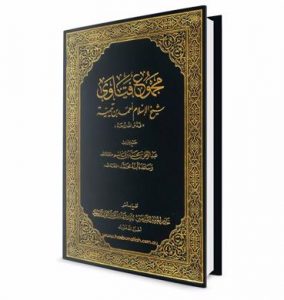
  • Majmoo’ Al Fatawa – Ibn Taymiyyah

    Majmoo’ Al Fatawa – Ibn Taymiyyah

    [gn_spacer size=”10″]

    مَجْمُوع الفَتَاوى لِشَيْخ الإِسلام إبن تَيْمِيَّة

    Majmoo’ Al Fatawa – Ibn Taymiyyah on 37 Volumes

    Author: Sheikh Al-Islam Imam Taqi al-Din Ahmed Ibn Taymiyyah (May Allah have mercy upon him)

    Collection and Arrangement by Abdur Rahman Bin Muhammad Bin Qasim (May Allah have mercy upon him) assisted by his son Muhammad.
    About Al-Majmoo’ Al-Fatawa

    The great Majmoo’ al-Fatawa (Compilation of Fatawa) was collected centuries after Sheikh Al-Islam’s death, and contains several of the works he was known to author. So, it is a comprehensive scientific collection that covers all fields of knowledge, whether that be in the area of ‘Aqeedah, Tawheed, Fiqh, Usul, Hadith, Tafseer, astronomy, logic (Mantaq) and debate, knowledge of various sects and denominations, medicine, the Arabic language, geography, history, spirituality, and much more.

    [gn_spacer size=”5″]

    [ddownload id=”93788″ text=”Download Vol 1″] | Size: [ddownload_size id=”93788″] | Downloaded [ddownload_count id=”93788″] times

    [gn_spacer size=”5″]

    [ddownload id=”93789″ text=”Download Vol 2″] | Size: [ddownload_size id=”93789″] | Downloaded [ddownload_count id=”93789″] times

    [gn_spacer size=”5″]

    [ddownload id=”93790″ text=”Download Vol 3″] | Size: [ddownload_size id=”93790″] | Downloaded [ddownload_count id=”93790″] times

    [gn_spacer size=”5″]

    [ddownload id=”93791″ text=”Download Vol 4″] | Size: [ddownload_size id=”93791″] | Downloaded [ddownload_count id=”93791″] times

    [gn_spacer size=”5″]

    [ddownload id=”93792″ text=”Download Vol 5″] | Size: [ddownload_size id=”93792″] | Downloaded [ddownload_count id=”93792″] times

    [gn_spacer size=”5″]

    [ddownload id=”93794″ text=”Download Vol 6″] | Size: [ddownload_size id=”93794″] | Downloaded [ddownload_count id=”93794″] times

    [gn_spacer size=”5″]

    [ddownload id=”93856″ text=”Download Vol 7″] | Size: [ddownload_size id=”93856″] | Downloaded [ddownload_count id=”93856″] times

    [gn_spacer size=”5″]

    [ddownload id=”93857″ text=”Download Vol 8″] | Size: [ddownload_size id=”93857″] | Downloaded [ddownload_count id=”93857″] times

    [gn_spacer size=”5″]

    [ddownload id=”93858″ text=”Download Vol 9″] | Size: [ddownload_size id=”93858″] | Downloaded [ddownload_count id=”93858″] times

    [gn_spacer size=”5″]

    [ddownload id=”93859″ text=”Download Vol 10″] | Size: [ddownload_size id=”93859″] | Downloaded [ddownload_count id=”93859″] times

    [gn_spacer size=”5″]

    [ddownload id=”93860″ text=”Download Vol 11″] | Size: [ddownload_size id=”93860″] | Downloaded [ddownload_count id=”93860″] times

    [gn_spacer size=”5″]

    [ddownload id=”93861″ text=”Download Vol 12″] | Size: [ddownload_size id=”93861″] | Downloaded [ddownload_count id=”93861″] times

    [gn_spacer size=”5″]

    [ddownload id=”93862″ text=”Download Vol 13″] | Size: [ddownload_size id=”93862″] | Downloaded [ddownload_count id=”93862″] times

    [gn_spacer size=”5″]

    [ddownload id=”93863″ text=”Download Vol 14″] | Size: [ddownload_size id=”93863″] | Downloaded [ddownload_count id=”93863″] times

    [gn_spacer size=”5″]

    [ddownload id=”93864″ text=”Download Vol 15″] | Size: [ddownload_size id=”93864″] | Downloaded [ddownload_count id=”93864″] times

    [gn_spacer size=”5″]

    [ddownload id=”93865″ text=”Download Vol 16″] | Size: [ddownload_size id=”93865″] | Downloaded [ddownload_count id=”93865″] times

    [gn_spacer size=”5″]

    [ddownload id=”93866″ text=”Download Vol 17″] | Size: [ddownload_size id=”93866″] | Downloaded [ddownload_count id=”93866″] times

    [gn_spacer size=”5″]

    [ddownload id=”93868″ text=”Download Vol 18″] | Size: [ddownload_size id=”93868″] | Downloaded [ddownload_count id=”93868″] times

    [gn_spacer size=”5″]

    [ddownload id=”93869″ text=”Download Vol 19″] | Size: [ddownload_size id=”93869″] | Downloaded [ddownload_count id=”93869″] times

    [ddownload id=”93871″ text=”Download Vol 20″] | Size: [ddownload_size id=”93871″] | Downloaded [ddownload_count id=”93871″] times

    [gn_spacer size=”5″]

    [ddownload id=”93872″ text=”Download Vol 21″] | Size: [ddownload_size id=”93872″] | Downloaded [ddownload_count id=”93872″] times

    [gn_spacer size=”5″]

    [ddownload id=”93873″ text=”Download Vol 22″] | Size: [ddownload_size id=”93873″] | Downloaded [ddownload_count id=”93873″] times

    [gn_spacer size=”5″]

    [ddownload id=”93874″ text=”Download Vol 23″] | Size: [ddownload_size id=”93874″] | Downloaded [ddownload_count id=”93874″] times

    [gn_spacer size=”5″]

    [ddownload id=”93875″ text=”Download Vol 24″] | Size: [ddownload_size id=”93875″] | Downloaded [ddownload_count id=”93875″] times

    [gn_spacer size=”5″]

    [ddownload id=”93877″ text=”Download Vol 25″] | Size: [ddownload_size id=”93877″] | Downloaded [ddownload_count id=”93877″] times

    [gn_spacer size=”5″]

    [ddownload id=”93878″ text=”Download Vol 26″] | Size: [ddownload_size id=”93878″] | Downloaded [ddownload_count id=”93878″] times

    [gn_spacer size=”5″]

    [ddownload id=”93879″ text=”Download Vol 27″] | Size: [ddownload_size id=”93879″] | Downloaded [ddownload_count id=”93879″] times

    [gn_spacer size=”5″]

    [ddownload id=”93941″ text=”Download Vol 28″] | Size: [ddownload_size id=”93941″] | Downloaded [ddownload_count id=”93941″] times

    [gn_spacer size=”5″]

    [ddownload id=”93942″ text=”Download Vol 29″] | Size: [ddownload_size id=”93942″] | Downloaded [ddownload_count id=”93942″] times

    [gn_spacer size=”5″]

    [ddownload id=”93943″ text=”Download Vol 30″] | Size: [ddownload_size id=”93943″] | Downloaded [ddownload_count id=”93943″] times

    [gn_spacer size=”5″]

    [ddownload id=”93944″ text=”Download Vol 31″] | Size: [ddownload_size id=”93944″] | Downloaded [ddownload_count id=”93944″] times

    [gn_spacer size=”5″]

    [ddownload id=”93945″ text=”Download Vol 32″] | Size: [ddownload_size id=”93945″] | Downloaded [ddownload_count id=”93945″] times

    [gn_spacer size=”5″]

    [ddownload id=”93946″ text=”Download Vol 33″] | Size: [ddownload_size id=”93946″] | Downloaded [ddownload_count id=”93946″] times

    [gn_spacer size=”5″]

    [ddownload id=”93947″ text=”Download Vol 34″] | Size: [ddownload_size id=”93947″] | Downloaded [ddownload_count id=”93947″] times

    [gn_spacer size=”5″]

    [ddownload id=”93948″ text=”Download Vol 35″] | Size: [ddownload_size id=”93948″] | Downloaded [ddownload_count id=”93948″] times

    [gn_spacer size=”5″]

    [ddownload id=”93949″ text=”Download Vol 36″] | Size: [ddownload_size id=”93949″] | Downloaded [ddownload_count id=”93949″] times

    [gn_spacer size=”5″]

    [ddownload id=”93951″ text=”Download Vol 37″] | Size: [ddownload_size id=”93951″] | Downloaded [ddownload_count id=”93951″] times

    [gn_spacer size=”10″]

    About Sheikh Al-Islam Ibn Taymiyyah

    He is al ‘Allamah Ahmad ibn ‘Abdul-Halim ibn ‘Abdis-Salam. His kunyah is Abu’l-‘Abbas and he is also referred to as Taqi ad-Din. He was born in Harran, an old city within the Arabian Peninsula between Sham and Iraq, on the tenth or the twelfth of the month Rabi’ al-Awwal in the year 661H. He later fled at a young age with his family to Damascus because of the terrible conditions of his homeland and those surrounding it as a result of the occupation by the Tartars.

    Ibn Taymiyyah was brought up, cared for and nurtured by his father. He obtained knowledge from him and the other shayukh of his era. He did not confine himself to the knowledge of those around him but also directed his attention to the works of the scholars before his time by way of perusal and memorisation. He took his knowledge from a great number of scholars and he himself mentioned a number of them as related by Adh-Dhahabi directly from him. This particular chronicle of shayukh includes forty male scholars and four female scholars. The total number of scholars whom he took knowledge from exceeds two hundred.

    The Praise of the Scholars for Ibn Taymiyyah:

    Al-Hafidh Adh-Dhahabi said:

    [gn_quote]He is far greater than the likes of me to inform on his qualities. If I were made to swear (by Allah) by the corner (of the Ka’bah) and the place (of Ibrahim), I would swear that I have not seen with my two eyes the like of him and by Allah, he himself has not seen his own like in knowledge.[/gn_quote]

    Al-Hafidh Al-Mizzi said:

    [gn_quote]I have not seen the like of him and nor have seen the like of himself. I have not seen one more knowledgeable of the Book of Allah and the Sunnah of His Messenger and more compliant to it than him.[/gn_quote]

    Al-Imam Ibn Daqiq al-‘Eid said:

    [gn_quote]When I met Ibn Taymiyyah, I saw a person who had all the types of knowledge between his eyes: he would take of it what he desired and leave of it what he desired.[/gn_quote]

    Al-Hafidh Ibn Hajar al-‘Asqalani:

    [gn_quote]The acclaim of Taqi ad-Din is more renown than that of the Sun and titling him Shaykh ul-Islam of his era remains until our time upon the virtuous tongues. It will continue tomorrow just as it was yesterday. No one refutes this but a person who is ignorant of his prestige or one who turns away from equity.[/gn_quote]

    He had many students and those that were affected by him are countless, some of his students were:

    [gn_list icon=”icon: institution” icon_color=”#bf4842″]

    • Adh-Dhahabi
    • Muhammad ibn Ahmad, (d. 748H)
    • Al-Mizzi
    • Yusuf ibn ‘Abdur-Rahman, (d. 742H)
    • Ibn Kathir
    • Isma’il ibn ‘Umar, (d. 774)
    • Ibn ‘Abdil-Hadi
    • Muhammad ibn Ahmad, (d. 744H),

    [/gn_list]

    and many others.

     Some of his works are:

    [gn_list icon=”icon: book” icon_color=”#bf4842″]

    • Minhaj as-Sunnah an-Nabawiyyah
    • Dar Ta’arud al-‘Aql wa’n-Naql, Al-Istiqamah
    • Iqtida’ as-Sirat al-Mustaqim li Mukhalafah Ashab al-Jahim
    • Naqd Maratib al-Ijma’
    • As-Sarim al-Maslul ‘ala Shatim ar-Rasul
    • Al-Jawab as-Sahih li man baddala Din al-Masih
    • Ar-Rad ‘ala al-Mantiqiyyin
    • Ar-Rad ‘ala al-‘Akhnan’i
    • Naqd at-Ta’sis
    • An-Nubuwat

    [/gn_list]

    [gn_divider]

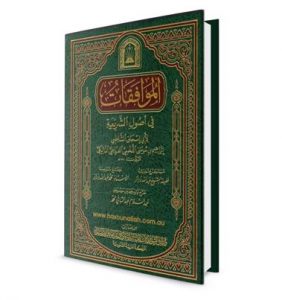
  • Al-Muwafaqat Fi Usul Al-Shariah

    Al-Muwafaqat Fi Usul Al-Shariah

    Al-Muwafiqat Fi Usul Al-Shariah

    Author: Imam Abi Ishaq Al-Shatibi (Rahmatullah)

    Al-Muwafaqat fi Usul al-Shari’a, written by Ibrahim ibn Musa Abu Isḥaq al-Shaṭibi, is an innovation in Islamic jurisprudence, for it was for the first time that the objectives of shari’a were addressed, as they are in this book. The book is an authority in understanding the objectives of the shari’a.

    It was first published in 1884 in Tunis, and since then it has been a source of inspiration, moderation and renewal in fiqh. The book, however, deals with much more than the maqaṣid, and substantial research is needed to unravel its full contribution.

    The whole book is divided into five parts: 

    • the fundamental concepts of the discipline; 
    • the Aḥkam (rules) and what is related to them; 
    • the legal purposes of the Shari’a and the Aḥkam related to them; 
    • the comprehensive treatment of the Adilla (evidences); and 
    • the rules of Ijtihad and Taqlid.

    [gn_spacer size=”10″]

    Saudi Print – 2 x Volumes ( 4 Parts):

    [gn_spacer size=”10″]

    [ddownload id=”86722″ text=”Download Vol 1 Part 1″] Size: [ddownload_size id=”86722″] | Downloaded [ddownload_count id=”86722″] times

    [gn_spacer size=”10″]

    [ddownload id=”86723″ text=”Download Vol 1 Part 2″] Size: [ddownload_size id=”86723″] | Downloaded [ddownload_count id=”86723″] times

    [gn_spacer size=”10″]

    [ddownload id=”86783″ text=”Download Vol 2 Part 3″] Size: [ddownload_size id=”86783″] | Downloaded [ddownload_count id=”86783″] times

    [gn_spacer size=”10″]

    [ddownload id=”86785″ text=”Download Vol 2 Part 4″] Size: [ddownload_size id=”86785″] | Downloaded [ddownload_count id=”86785″] times

    [gn_spacer size=”10″]

    Darul ‘Ilmia – Berut Lebanon – Print:

    [gn_spacer size=”10″]

    [ddownload id=”86922″ text=”Download Book”] Size: [ddownload_size id=”86922″] | Downloaded [ddownload_count id=”86922″] times

    [gn_spacer size=”10″]

    Daar Ibn Affan – Saudi Print – 6 x Volumes:

    [gn_spacer size=”10″]

    [ddownload id=”86788″ text=”Download Taqdeem wa Muqaddima wa Fahris”] Size: [ddownload_size id=”86788″] | Downloaded [ddownload_count id=”86788″] times

    [gn_spacer size=”10″]

    [ddownload id=”86857″ text=”Download Vol 1″] Size: [ddownload_size id=”86857″] | Downloaded [ddownload_count id=”86857″] times

    [gn_spacer size=”10″]

    [ddownload id=”86858″ text=”Download Vol 2″] Size: [ddownload_size id=”86858″] | Downloaded [ddownload_count id=”86858″] times

    [gn_spacer size=”10″]

    [ddownload id=”86859″ text=”Download Vol 3″] Size: [ddownload_size id=”86859″] | Downloaded [ddownload_count id=”86859″] times

    [gn_spacer size=”10″]

    [ddownload id=”86860″ text=”Download Vol 4″] Size: [ddownload_size id=”86860″] | Downloaded [ddownload_count id=”86860″] times

    [gn_spacer size=”10″]

    [ddownload id=”86920″ text=”Download Vol 5″] Size: [ddownload_size id=”86920″] | Downloaded [ddownload_count id=”86920″] times

    [gn_spacer size=”10″]

    [ddownload id=”86921″ text=”Download Vol 6″] Size: [ddownload_size id=”86921″] | Downloaded [ddownload_count id=”86921″] times

    [gn_divider]

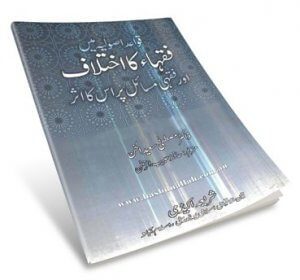
  • Ikhtilaaf of Fuqaha in Qawaid Usuliyah and its impact on Masail Fiqhiyyah

    Ikhtilaaf of Fuqaha in Qawaid Usuliyah and its impact on Masail Fiqhiyyah

    [gn_spacer size=”5″]

    Ikhtilaaf of Fuqaha in Qawaid Usuliyah and its impact on Masail Fiqhiyyah

    Author: Doctor Mustafa Syed ul Khen

    Translator: Habib ur Rehman

    Differences in arguments among the Ulema of Jurisprudence is an interesting topic. The third and fourth-century jurists focussed on this subject and wrote books on this discourse. Mohammad ibn Nasr al-Marwazi, Muhammad ibn Jarir At-Tabari and Abu Jafar Ahmad ibn Muhammad Al-Tahawi (May Allah have mercy upon all of them) wrote books on this subject. Shah Waliullah Dehalwi (Rahmatullah Alehe), the famous Jurist of the subcontinent, wrote two magazines (Risa’il)) on this subject. One Risala is a fundamental debate on Ijtihaad and Taqleed, while a chapter of this book is based on the “Causes” and its “explanations”. The second Risala of Shah Waliullah is called ‘Risala Al-Insaaf Fi Bayan Sabab Al-Ikhtilaaf’. In this Risala, not only Asbaab wa ‘Ilal of Ai’mma Fuqaha is discussed but also some of the important narrative texts have been implicated.

    In this book, Professor Mustafa Saeed al-Hasan, keeping in view the treasure of ‘Ilm of Salaf, has reviewed in detail Qawaid Usulliyah and has explained in detail the visible effects due to the differences in these Qawaid. The Shariah Academy has translated this book into Urdu and Maulana Habibur Rahman, a young Aalim in Shariah Academy, has done this hard work to translate this book into the Urdu language very efficiently. May Allah accept this great work by both of them.

    [gn_spacer size=”10″]
    عنوان: قواعد اصولیہ میں فقہاء کا اختلاف اور فقہی مسائل پر اس کا اثر
    مصنف : ڈاکٹر مصطفیٰ سعید الخن
    مترجم: حبیب الرحمن


    مختصر بیان:فقہا کی اختلافی آرا اور ان کے دلائل کاتنقیدی مطالعہ ایک دلچسپ موضوع ہے۔ تیسری اور چوتھی صدی کے فقہا نے اس موضوع کی طرف توجہ کی اور اختلاف فقہا پر مستقل کتابیں لکھیں۔ محمدبن نصر المروزی، محمد بن جریر طبری اور ابو جعفراحمد بن محمد الطحاوی نے اس موضوع پر بسیط کتب تحریر فرمائیں۔ برصغیر کے معروف فقیہ شاہ ولی اللہ نے اس موضوع پر دو رسالے تحریر فرمائے۔ ایک رسالہ تو اجتہاد و تقلید پر اصولی بحث ہے لیکن اس کتاب کا ایک باب اختلاف فقہا اور اس کے اسباب و علل پر ہے۔ شاہ صاحب کا دوسرا رسالہ ’رسالہ الانصاف فی بیان سبب الاختلاف‘ ہے۔ اس رسالہ میں ائمہ فقہا کے اسباب و علل پر بھی گفتگو کی ہے اور بعض اہم فقہی فقہی مسالک میں تطبیق کی سعی بھی کی ہے۔ زیر تبصرہ کتاب میں بھی پروفیسر مصطفیٰ سعید الخن نے اس موضوع پر اسلاف کے ذخیرہ علم کو پیش نظر رکھ کر قواعد اصولیہ کا علمی جائزہ لیا ہے اور قواعد اصولیہ میں اختلاف کی وجہ سے جو اثرات اختلاف الفقہا پر مرتب ہوئے ہیں ان کو بالتفصیل بیان کیا ہے۔ اس کتاب کی علمی حیثیت اور موجودہ دور میں اس کی افادیت کے پیش نظر شریعہ اکیڈمی نے اس کا اردو ترجمہ کرایا ہے۔ شریعہ اکیڈمی کے فاضل نوجوان مولانا حبیب الرحمٰن نے اس کتا ب کو اردو میں ترجمہ کرنے کا کام سرانجام دیا ہے۔ اصول فقہ اور قواعد اصولیہ کے فنی مباحث کو بڑی محنت سے انھوں نے رواں اردو میں منتقل کیا ہے۔

    [gn_spacer size=”10″]

    [ddownload id=”66522″ text=”Download Book”] Size: [ddownload_size id=”66522″] | Downloaded [ddownload_count id=”66522″] times

    [gn_divider]

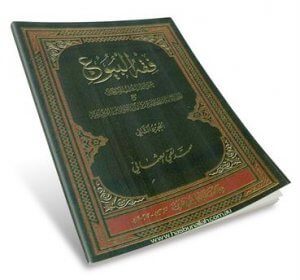
  • Fiqh al-Buyu’ by Mufti Muhammad Taqi Usmani

    Fiqh al-Buyu’ by Mufti Muhammad Taqi Usmani

    [gn_spacer size=”10″]


    [gn_spacer size=”5″]

    Fiqh Al-Buyu – 2 Volumes in Arabic

    Author: Mufti Taqi Usmani

    A comprehensive book on the rules of trade and commerce by discussing it from the perspective of the four famous school of thoughts within Islam along with the comparative study of the laws of various countries in modern era. This much needed book of modern age, was written initially with the intention of being included in the syllabus of madrasahs across Pakistan.

    About the Author – Mufti Muhammad Taqi Usmani:

    He is the son of Mufti Muhammad Shafi Usmani, the late Grand Mufti of Pakistan. He graduated par excellence form Dars e Nizami at Darul Uloom, Karachi, Pakistan. Then he specialized in Islamic Jurisprudence under the guidance of his eminent father, Mufti Muhammad Shafi, the late Grand Mufti of Pakistan. Since then, he has been teaching hadith and Fiqh at the Darul-Uloom, Karachi.

    He also holds a degree in law and was a Judge at the Sharia Appellate Bench of the Supreme Court of Pakistan till recently.

    He has the authority (Ijaza) to teach hadith from his father Mufti Muhammad Shafi, Maulana Idrees Khandhelawi, Qari Mohammed Tayyeb, Maulana Saleemullah Khan, Mufti Rasheed, Moulana Sehban Mahmood, Allama Zafar Ahmed Usmani, Moulana Zakariya Khandelawi, Sheikh Hassan Meshat (May Allaah have mercy upon all of them) and others.

    He has been writing on various Islamic topics and is author of more than 60 books in Urdu, Arabic and English and numerous articles. Presently he is the Vice-president of Darul-Uloom, Karachi, Pakistan, where he teaches Sahih Bukhari, Fiqh and Islamic economics.

    He is also a consultant to several international Islamic financial institutions and has played a key part in the move toward interest free banking and the establishment of Islamic financial institutions. He is considered to be an authority on this subject. He is the deputy chairman of the Jeddah based Islamic Fiqh Council of the Organization of Islamic Conference (OIC). May Allah preserve him.

    [gn_spacer size=”5″]

    [ddownload id=”66498″ text=”Download Volume 1″] Size: [ddownload_size id=”66498″] | Downloaded [ddownload_count id=”66498″] times

    [gn_spacer size=”10″]

    [ddownload id=”66499″ text=”Download Volume 2″] Size: [ddownload_size id=”66499″] | Downloaded [ddownload_count id=”66499″] times

    [gn_divider]

  • Al Ashbah Wa Al Nadhaair

    Al Ashbah Wa Al Nadhaair

    [gn_spacer size=”10″]

    [captionpix imgsrc=”/wp-content/uploads/ashbah-wan-nadair-369×344.jpg” theme=”chain” width=”250″ align=”center”]
    [gn_spacer size=”5″]

    Al Ashbah Wa Al Nadhaair – Fi Qawaid wa Furoo’ Fiqh Ash-Shafi’ah

    Author: Imam Jalal uddin Abdur Rehman Al-Suyuti

    Publishing house: Maktabah Nazaar Mustafa al-Baaz

    A comprehensive book on Qawaaid and Furu ul Fiqh by the the great Imam.

    About Imam Al Suyuti :

    Also known as Ibn al-Asyuti (849-911AH /1445-1505), he is the mujtahid imam and renewer of the tenth Islamic century, foremost hadith master, encyclopedist, historian, and biographer and probably one of the most prolific of all Islamic writers. There are an enormous number of his essays and treatises preserved today. A number of his writings concerned scientific topics or issues related to natural science and food and regimen, amongst other things.

    From Asyut in Egypt,he was among the most renowned and prolific Muslim scholars of all time. He wrote more than 300 books, covering every aspect of the Islamic sciences. He memorised the Quran at the age of eight, and then went on to study with more than 150 scholars. He travelled extensively in his quest for knowledge to Damascus, Hijaz, Yemen, India, Morocco, and the lands south of Morocco, as well as in Egypt.

    Al-Suyuti devoted his life to learning, teaching and writing. He was noble, abstinent and self-sufficient, distancing himself from people of rank and power and living on what he earned by teaching. Major writings of al-Suyuti that remain widely used today include al-Itqan, on the Quranic sciences; and Tafsir al-Jalalayn, which he completed when he was only 22.

    [gn_spacer size=”5″]

    [ddownload id=”66478″ text=”Download Volume 1″] Size: [ddownload_size id=”66478″] | Downloaded [ddownload_count id=”66478″] times

    [gn_spacer size=”10″]

    [ddownload id=”66479″ text=”Download Volume 2″] Size: [ddownload_size id=”66479″] | Downloaded [ddownload_count id=”66479″] times

    [gn_divider]

  • Al Waraqat – A Classical Manual Of Usul Al-Fiqh

    Al Waraqat – A Classical Manual Of Usul Al-Fiqh

    [gn_spacer size=”10″]

    [captionpix imgsrc=”http://hasbunallaah.com/wp-content/uploads/al-waraqat-369×344.jpg” theme=”chain” width=”250″ align=”center”]
    [gn_spacer size=”5″]

    Al Waraqat – A Classical Manual Of Usul Al-Fiqh

    Author: Imam Al-Haramayn Al-Juwayni

    Compilation, Research and Commentary by: Muhammad Nabeel Musharraf

    Al-Waraqat is a classical text on Usul al-Fiqh (principles of Islamic Jurisprudence) and is a useful book to understand basic elements of this field. Commentary has been prepared while referring to explanations from a number of renowned scholars and jurists such as Sheikh Ibn Al-Uthaymeen, Sheikh Abdur Rahman Ibn Nasir As-Saadi, Sheikh Saleh Al-Munajjid, Sheikh Dr. Bilal Philips,  Sheikh Muhammad Nuruddeen Lemu, Sheikh Yahya Adel Ibrahim, Sheikh Abu Zaid Zameer, Sheikh Salih Al-Fawzan, Sheikh Sajid Umar, Dr. Hatem Al-Haj, Dr. Hashim Kamali, Sheikh Saleh As-Saleh, Sheikh Yasir Fahmy Al-Azhari, and others.

    About Imam Al Juwayni :

    Al-Juwayni was born on 22 February 1028 in a village on the outskirts of Naysabur called Bushtaniqan in Iran. Al-Juwayni was a prominent Muslim scholar known for his gifted intellect in Islamic legal matters. Al-Juwayni was born into a family of legal study. His father Abu Muhammad ‘Abdallah b. Yusef al-Juwayni, was a well-known master of Law in the Shafi′i community as well as a Shafi’i teacher and his older brother, Abu’l-Hasan ‘Ali al-Juwayni, was a Sufi teacher of Hadith.

    Al-Juwayni grew up in Naysabur, an intellectually thriving area drawing scholars to it. Naturally, Al-Juwayni did not have to search far for his education. At the time, the teachings of the Shafi’i school were closely linked to the Ash’arite theology which al-Juwayni decided to study for several years after the death of his father, though he would later regret the time he invested in studying and debating the school’s principles while on his deathbed. He took over for his father at this point and began his teaching career at only 19 years of age.

    Al-Juwayni travelled to Mecca and Medina in search of an interim home. He taught and studied there in Hijaz for four years. During this time, al-Juwayni became hugely popularised because of his father’s prominence in the scholarly world, and his exile. He gained a large following and was invited back to Nishapur by the founder of the Shafii Madrasa, Khwaja Nizam al-Mulk. Upon his return, Juwayni was appointed to teach the doctrine of the Ash’arites at the Nizamiyya Madrasa until he died in 1085CE (which would turn out to be about 26 years). Al-Juwayni spent his life studying and producing influential treatises in Muslim government; it is suspected that most of his works  came out of this period after his return from Mecca and Medina.

    He is the main figure among the fifth generation of al-Ash’ari’s students. Al-Bakhirzi compared him to al-Shafi’i and al-Muzani in fiqh, al-Asma’i in manners, al-Hasan al-Basri in preaching eloquence, and al-Ash’ari in kalâm.

    Al-Juwayni was the teacher of one of the most influential scholars in the Islamic tradition al-Ghazali (May Allaah have mercy upon all of them).

    Al-Juwayni’s works:

    [gn_list icon=”icon: archive” icon_color=”#bf4842″]

    • In Fiqh: Ghiyath al-Umam, Mughith al-Khalq, Nihaya al-Matlab fi Diraya al-Madhhab (“The End of the Quest in the Knowledge of the [Shafi’i] School”), his magnum opus, which Ibn ‘Asakir said had no precedent in Islam, and Mukhtasar al-Nihaya.
    • In Usul: al-Burhan, al-Talkhis, and al-Waraqat.
    • In Kalam: al-Shamil, al-Irshad, and al-Nizamiyya.

    [/gn_list]

    [gn_spacer size=”5″]

    [ddownload id=”66458″ text=”Download Book”] Size: [ddownload_size id=”66458″] | Downloaded [ddownload_count id=”66458″] times

    [gn_divider]

  • Al-Muhalla | by Imam Ibn Hazm

    Al-Muhalla | by Imam Ibn Hazm

    [gn_spacer size=”10″]

    Al-Muhalla – A fabulous volume of 11 books on the Fiqh of hadeeth with more than 2000 Ahkaam and Masaail by the great imam of his time Ibn Hazm Al-Undulusi

    Author: Ibn Hazm Al-Andulusi (Rahmatullah alehe)

    Translated by: Mawlana Ghulam Ahmad Hariri

    Aforementioned book “Al-Muhalla” is a famous authorship of the fifth Hijri century Muslim scholar Ibn Hazm the Andalusi. It is a book which scholars and researchers generally Shaykh al-Islam Ibn Taymiyyah and Ibn Qayyam have given much importance, may Allah have mercy upon them both.  This book embraces all the important issues of life and worship comprising of more than 2000 Masaail and Ahkaam.  Modern area Arabic and Egyptian scholars have highly benefited from this book in the contemporary issues.

    Imam Ibn Hazm was known to have rejected the Qayas and always used to take Nusoos (Quran and Hadeeth) in establishing Ahkaam. May Allaah have mercy upon him and give him the reward (of good) for his sincere contribution and forgive him for any mistakes that have occurred due to his Ijtihaad.

    Note: This book is for students of knowledge only and not for the laymen.

    Volume 1 is available at the moment, other volumes will be uploaded as they become available.

    [gn_spacer size=”10″]

    [ddownload id=”66158″ text=”Download Volume 1″] Size: [ddownload_size id=”66158″] | Downloaded [ddownload_count id=”66158″] times

    [gn_divider]

  • Al-Muwafaqat Fi Usul Al-Shariah [Updated]

    Al-Muwafaqat Fi Usul Al-Shariah [Updated]

    Al-Muwafiqat Fi Usul Al-Shariah (2 Volumes)

    Author: Imam Shatibi (Rahmatullah)

    [gn_spacer size=”10″]

    عنوان: الموافقات فی اصول الشریعہ
    مصنف : امام شاطبی رحمہ اللہ
    مترجم: عبد الرحمن کیلانی

    مختصر بیان: انسانی زندگی ہمیشہ تغیر پذیر رہتی ہے۔ احوال و ظروف بدلتے رہتے ہیں۔ اس لیے یہ ضروری تھا کہ انسانی زندگی کے لیے ناگزیر حقیقتوں کو معیار ٹھہرا کر کچھ ایسے قواعد وضع کر دئیے جائیں جو پیش آمدہ معاملات میں حکم کی تلاش میں ممد و معاون ہوں اور یہ قواعد شارع حقیقی کی رضا سے متصادم نہ ہوں۔ اس مقصد کے حصول کے لیے علمائے اسلام نے بڑی تگ و دو کی اور اصول قانون یا اصول فقہ پر ایک ایسا ذخیرہ تیار کیا جس کی مثال دنیا کی قانونی تاریخ میں نہیں ملتی۔ ہر دور کے علما نے اس ذخیرہ میں اضافہ کیا۔ علامہ شاطبی کی زیر نظر کتاب اسلامی اصول قانون کی ایک معتبر کتاب ہے جس میں علامہ نے اس فن کا کما حقہ احاطہ کیا ہے۔ اس کتاب کی بڑی خوبی یہ ہے کہ یہ مذاہب اربعہ کے اصولیین کی آرا پر ایک مکمل تبصرہ ہے اور آئندہ کے لیے فن اصول کے طلبا کے لیے ایک نمونہ کما ل ہے۔ مفتی، مجتہد، قاضی اور ولی الامر کے لیے اس کا مطالعہ ایسے گوشے کھولتا ہے کہ وہ تلاش حکم میں منشائے شارع حقیقی کو پا لیتا ہے اور کسی دشواری سے دوچار نہیں ہوتا اس لیے اس کتاب میں علامہ نے جو کچھ بھی کہا ہے وہ قرآن و سنت سے مستنبط ہے۔ مولانا عبدالرحمٰن کیلانی نے اس کتاب کو اردو قالب میں منتقل کیا ہے

    [gn_spacer size=”10″]

    [ddownload id=”65795″ text=”Download Vol 1″] Size: [ddownload_size id=”65795″] | Downloaded [ddownload_count id=”65795″] times

    [gn_spacer size=”10″]

    [ddownload id=”65798″ text=”Download Vol 2″] Size: [ddownload_size id=”65798″] | Downloaded [ddownload_count id=”65798″] times

    [gn_spacer size=”10″]

    [ddownload id=”91422″ text=”Download Vol 3″] Size: [ddownload_size id=”91422″] | Downloaded [ddownload_count id=”91422″] times

    [gn_spacer size=”10″]

    [ddownload id=”91423″ text=”Download Vol 4″] Size: [ddownload_size id=”91423″] | Downloaded [ddownload_count id=”91423″] times

    [gn_divider]